Navigating the Non secular Panorama: A Information to the 2025 Catholic Calendar
Associated Articles: Navigating the Non secular Panorama: A Information to the 2025 Catholic Calendar
Introduction
With nice pleasure, we’ll discover the intriguing matter associated to Navigating the Non secular Panorama: A Information to the 2025 Catholic Calendar. Let’s weave attention-grabbing info and supply recent views to the readers.
Desk of Content material
- 1 Related Articles: Navigating the Spiritual Landscape: A Guide to the 2025 Catholic Calendar
- 2 Introduction
- 3 Navigating the Spiritual Landscape: A Guide to the 2025 Catholic Calendar
- 3.1 Understanding the Framework: Key Elements of the Catholic Calendar
- 3.2 Navigating the 2025 Calendar: Key Events and Their Significance
- 3.3 FAQs about the Catholic Calendar
- 3.4 Tips for Engaging with the 2025 Catholic Calendar
- 3.5 Conclusion: The Catholic Calendar: A Tapestry of Faith and Tradition
- 4 Closure
Navigating the Non secular Panorama: A Information to the 2025 Catholic Calendar
The Catholic calendar, a tapestry woven with feasts, fasts, and commemorations, offers a framework for understanding and interesting with the Catholic religion. It’s a dynamic system, reflecting the Church’s wealthy historical past, its ongoing mission, and its unwavering devotion to Christ. This information delves into the 2025 Catholic calendar, providing insights into its key parts and their significance for people and communities.
Understanding the Framework: Key Parts of the Catholic Calendar
The 2025 Catholic calendar, like its predecessors, is structured round a number of key parts:
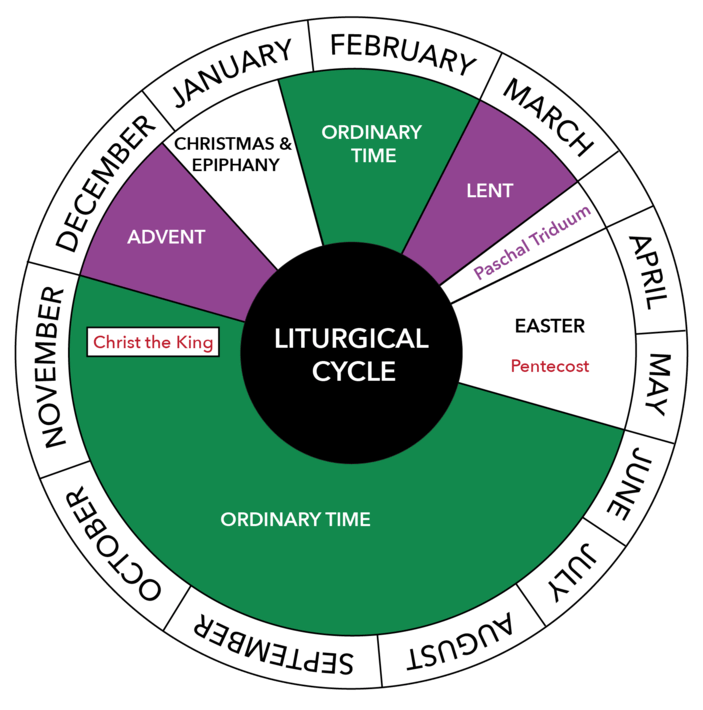
1. The Liturgical Yr: This year-long cycle, starting with Creation, unfolds in a collection of seasons, every with its distinct themes and liturgical colours. The liturgical 12 months guides the Church’s prayer and worship, permitting trustworthy to expertise the unfolding narrative of salvation historical past.
2. The Atypical Time: This era, encompassing the time between main feasts, offers an area for reflection on the Gospel readings and the each day lives of the trustworthy. It’s a time for religious development and deepening one’s relationship with God.
3. The Sundays: As of late, devoted to the Lord’s resurrection, are central to the Catholic calendar. They’re events for particular celebration and for reflecting on the Gospel readings, which regularly give attention to Jesus’ teachings and miracles.
4. The Feasts: These particular days commemorate important occasions within the lives of Christ, Mary, and the saints. Feasts are celebrated with solemnity and pleasure, emphasizing the Church’s gratitude and devotion to God.
5. The Fasts: These durations of abstinence and prayer are devoted to reflection and repentance. They’re occasions for deepening one’s relationship with God and for looking for his mercy.
6. The Commemorations: As of late honor lesser-known saints or important occasions within the Church’s historical past. They provide alternatives to be taught concerning the numerous tapestry of Catholic custom and to attract inspiration from the lives of holy women and men.
Navigating the 2025 Calendar: Key Occasions and Their Significance
1. Creation (December 1st – December twenty fourth): This season of anticipation and preparation for the approaching of Christ is marked by a spirit of hope and joyful expectation. The liturgical colour is purple, symbolizing penance and the anticipation of Christ’s arrival.
2. Christmas (December twenty fifth): This feast celebrates the delivery of Jesus Christ, the Son of God, and the incarnation of the divine Phrase. It’s a time for pleasure, household gatherings, and celebrating the reward of God’s love for humanity.
3. Epiphany (January sixth): This feast commemorates the manifestation of Christ to the Gentiles, represented by the go to of the Magi. It celebrates the universality of God’s love and the sunshine of Christ reaching all nations.
4. Lent (February seventeenth – April fifth): This season of forty days of prayer, fasting, and almsgiving prepares for the celebration of Easter. It’s a time for reflection on sin, repentance, and a renewed dedication to God. The liturgical colour is purple, symbolizing penance and the decision to conversion.
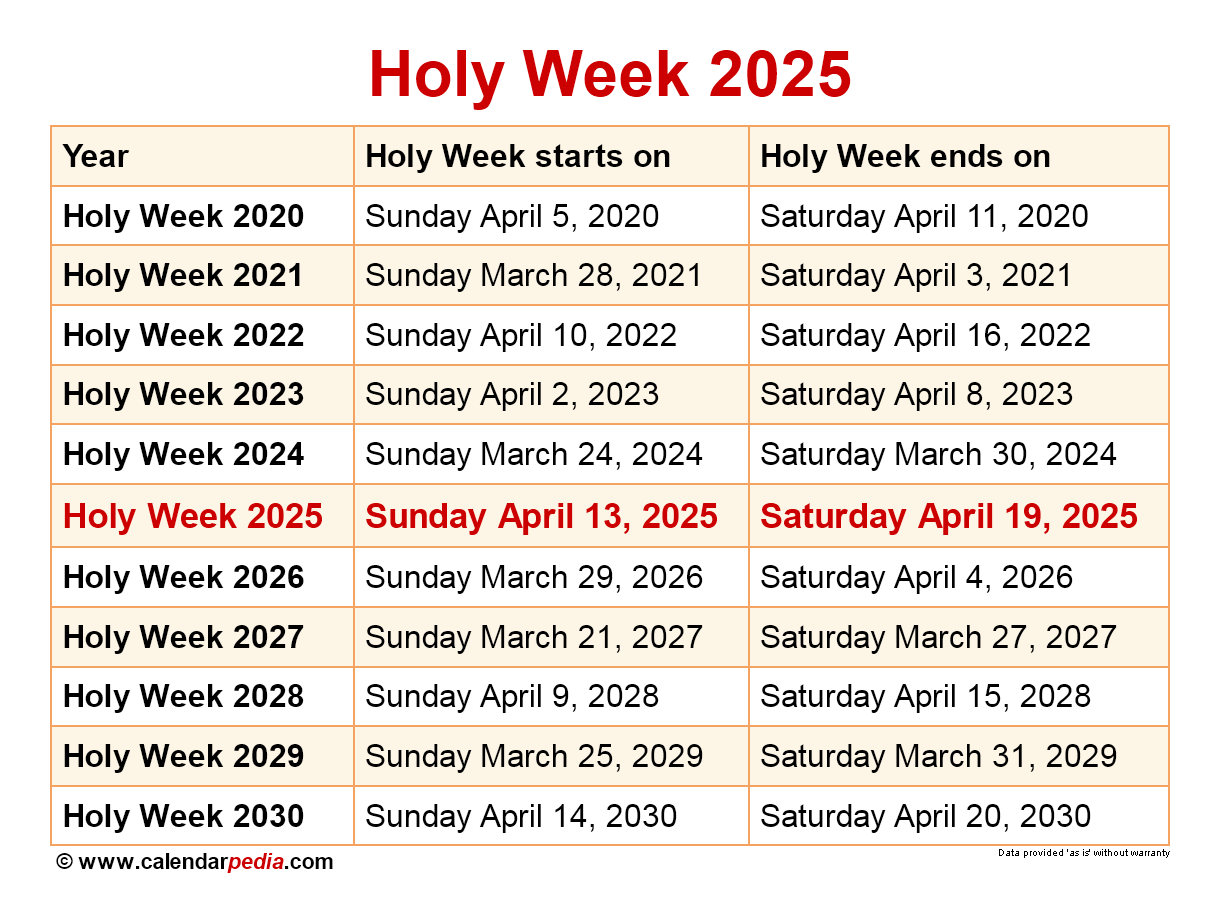
5. Holy Week (March twenty fourth – March thirtieth): This week main as much as Easter commemorates the Ardour, Dying, and Resurrection of Jesus Christ. It’s a time of intense prayer, reflection, and remembrance of Christ’s sacrifice.
6. Easter (April sixth): This feast celebrates the resurrection of Jesus Christ from the lifeless, the central thriller of the Christian religion. It’s a time of nice pleasure and celebration, signifying victory over demise and the promise of everlasting life.
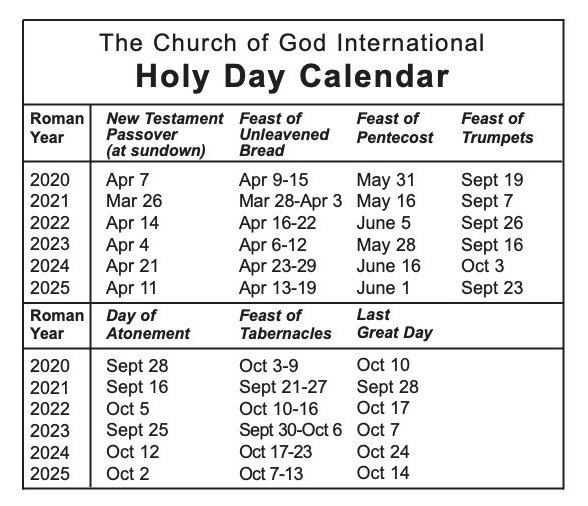
7. Ascension (Could fifteenth): This feast commemorates the ascension of Jesus Christ into heaven forty days after his resurrection. It signifies the completion of his earthly mission and his reign in glory on the proper hand of the Father.
8. Pentecost (Could thirty first): This feast celebrates the descent of the Holy Spirit upon the apostles, marking the delivery of the Church. It’s a time for reflecting on the presents of the Holy Spirit and the continued mission of the Church on the planet.
9. Assumption of the Blessed Virgin Mary (August fifteenth): This feast celebrates the bodily assumption of Mary into heaven. It acknowledges the particular position of Mary within the Church and her distinctive relationship with God.
10. All Saints Day (November 1st): This feast honors all of the saints, recognized and unknown, who’ve gone earlier than us in religion. It’s a reminder of the communion of saints and the facility of prayer for the deceased.
11. All Souls Day (November 2nd): Today is devoted to remembering and praying for the souls of the trustworthy departed. It’s a time for reflection on the truth of demise and the significance of providing prayers for individuals who have died.
FAQs concerning the Catholic Calendar
1. What’s the function of the Catholic calendar?
The Catholic calendar serves as a information for the Church’s liturgical life, offering a framework for prayer, worship, and reflection on the central mysteries of the religion. It helps people and communities to have interaction extra deeply with the religious journey and to have fun the mysteries of salvation historical past.
2. How does the Catholic calendar differ from the secular calendar?
The Catholic calendar is distinct from the secular calendar in its give attention to non secular occasions and observances. It’s structured across the liturgical 12 months, which begins with Creation and culminates within the celebration of the resurrection of Christ at Easter.
3. Why are some days within the Catholic calendar thought of "holy days of obligation"?
Holy days of obligation are days when Catholics are required to attend Mass. As of late are often main feasts that commemorate important occasions within the lifetime of Christ, Mary, or the saints. They spotlight the significance of those occasions for the Catholic religion and encourage participation in communal worship.
4. How can I exploit the Catholic calendar to complement my religious life?
The Catholic calendar gives a wealth of alternatives for religious development. By following the liturgical 12 months, collaborating within the sacraments, and interesting in prayer and reflection, people can deepen their relationship with God and expertise the richness of the Catholic religion.
5. What are some methods to look at the completely different seasons of the liturgical 12 months?
Every season of the liturgical 12 months gives distinctive alternatives for reflection and prayer. Throughout Creation, one can give attention to preparation for Christ’s coming and the spirit of hope. Throughout Lent, one can interact in practices of penance and reflection, looking for forgiveness and renewal. Throughout Easter, one can have fun the enjoyment of Christ’s resurrection and the promise of everlasting life.
Suggestions for Participating with the 2025 Catholic Calendar
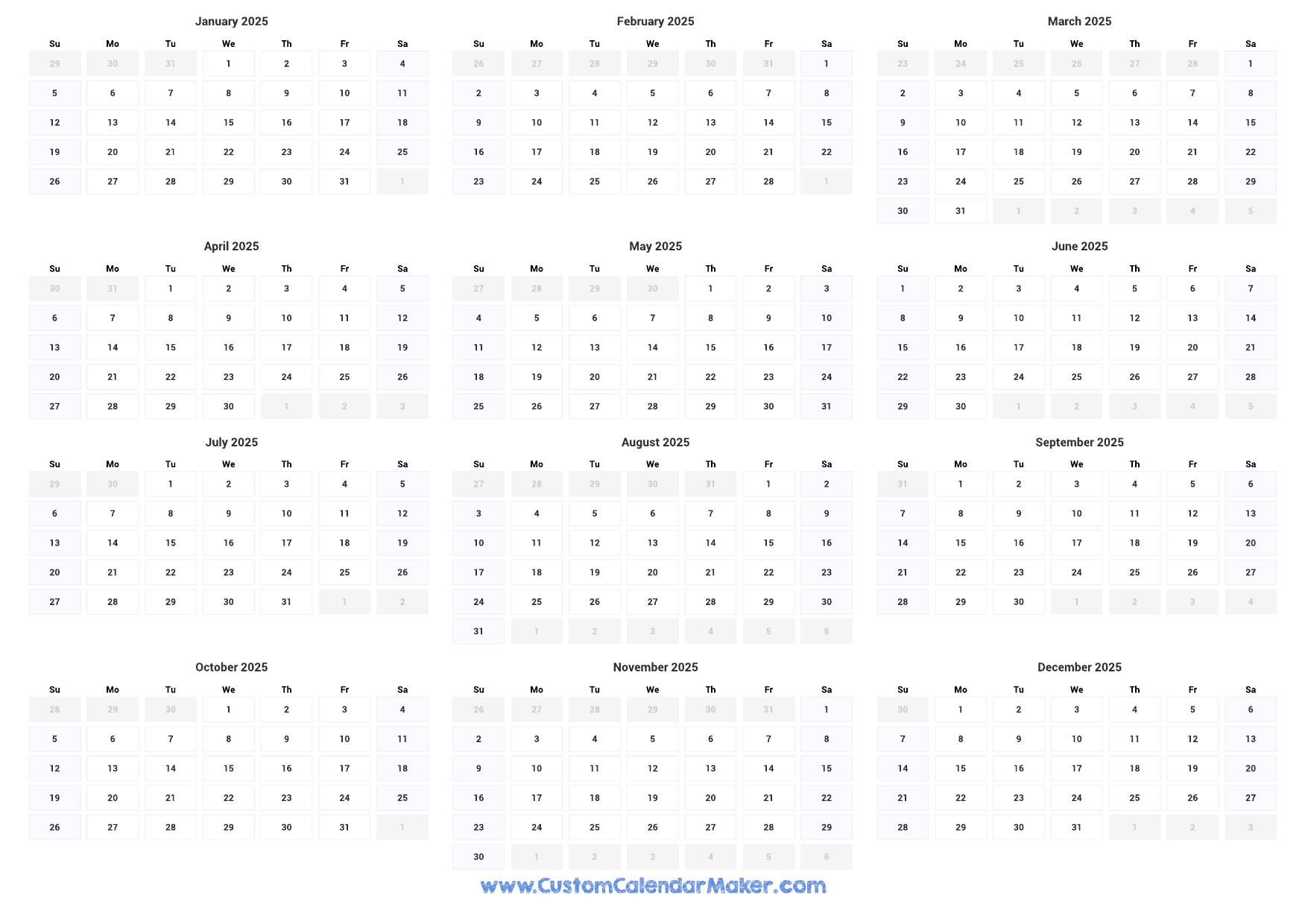
1. Seek the advice of a Catholic Calendar: Make the most of a complete Catholic calendar to achieve a transparent understanding of the liturgical 12 months, feasts, fasts, and different important occasions.
2. Attend Mass Frequently: Make a acutely aware effort to attend Mass on Sundays and holy days of obligation. Participation in communal worship strengthens one’s religion and fosters a way of belonging to the Church.
3. Replicate on the Gospel Readings: Take time to learn and replicate on the Gospel readings assigned for every Sunday and feast day. These readings supply insights into the life and teachings of Jesus Christ and supply a basis for religious development.
4. Interact in Prayer and Reflection: Dedicate time for private prayer and reflection all year long. Use the liturgical calendar as a information to focus your prayers on the particular themes and occasions of every season.
5. Search Out Alternatives for Service: Take part in acts of service and charity all year long. It is a highly effective option to dwell out one’s religion and to make a optimistic distinction on the planet.
6. Be taught concerning the Saints: Take time to be taught concerning the lives of the saints, each main and lesser-known. Their tales supply inspiration and steerage for residing a holy life.
7. Take part in Liturgical Celebrations: Attend particular Lots and ceremonies all year long, comparable to Creation Lots, Christmas Eve Mass, Easter Vigil, and different important feasts. These celebrations supply a deeper expertise of the Catholic religion and supply alternatives for communal prayer and reflection.
Conclusion: The Catholic Calendar: A Tapestry of Religion and Custom
The Catholic calendar is a dynamic and multifaceted useful resource, providing a framework for understanding and interesting with the Catholic religion. It offers a roadmap for the religious journey, guiding people and communities by way of the assorted seasons of the liturgical 12 months and celebrating the central mysteries of salvation historical past. By embracing the richness of the Catholic calendar, people can deepen their relationship with God, strengthen their religion, and expertise the fullness of the Church’s custom.



Closure
Thus, we hope this text has offered precious insights into Navigating the Non secular Panorama: A Information to the 2025 Catholic Calendar. We hope you discover this text informative and helpful. See you in our subsequent article!