A Complete Information to Catholic Holidays in 2025
Associated Articles: A Complete Information to Catholic Holidays in 2025
Introduction
With enthusiasm, let’s navigate via the intriguing matter associated to A Complete Information to Catholic Holidays in 2025. Let’s weave attention-grabbing info and provide contemporary views to the readers.
Desk of Content material
A Complete Information to Catholic Holidays in 2025
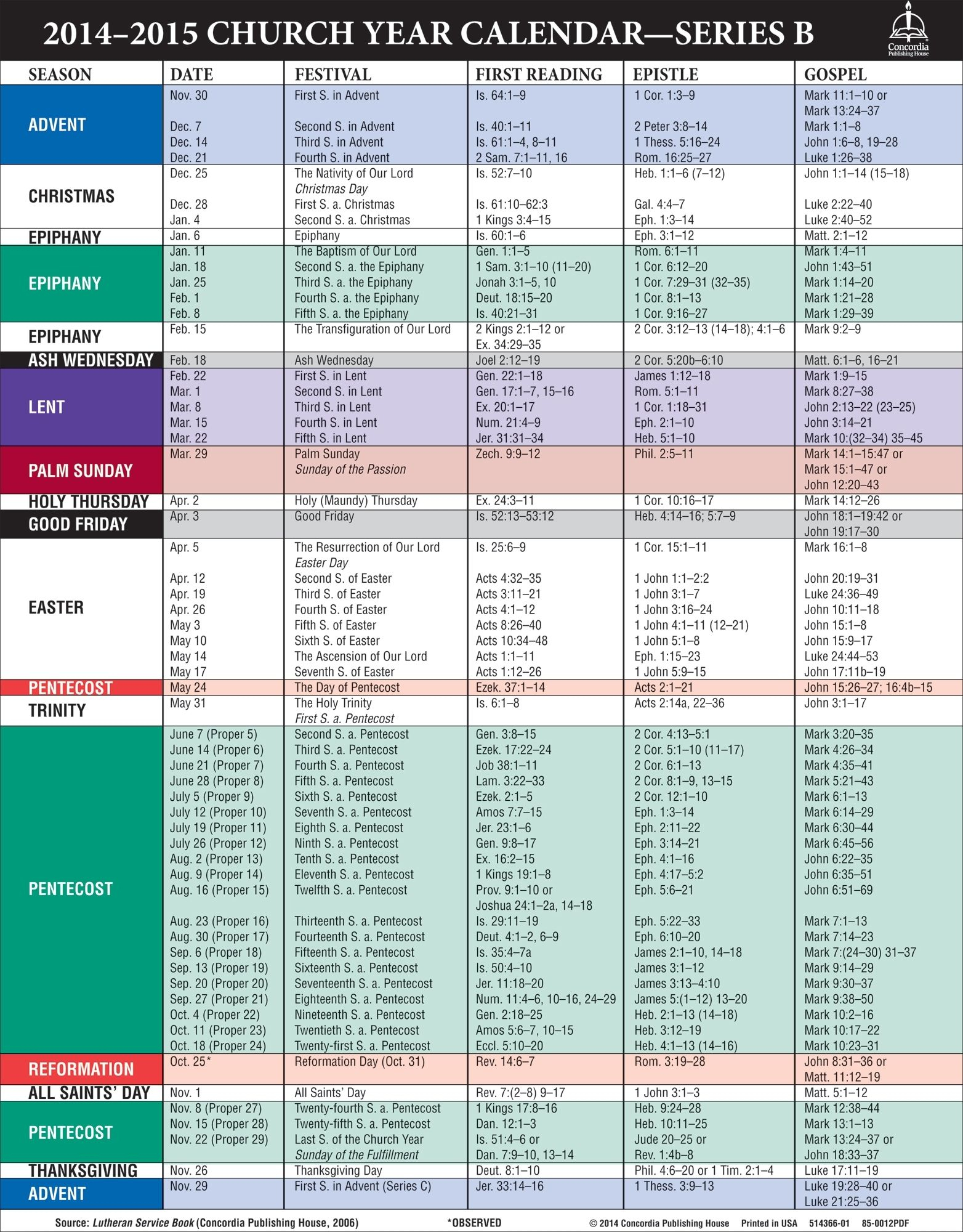
The Catholic Church celebrates a wealthy tapestry of holidays all year long, every commemorating important occasions within the lifetime of Jesus Christ, the lives of saints, and the teachings of the Church. These celebrations provide alternatives for reflection, prayer, and communal gathering, fostering a deeper understanding of religion and its enduring influence on the lives of believers.
This information offers an in-depth have a look at the important thing Catholic holidays in 2025, outlining their significance, historic context, and conventional observances.
January
-
Solemnity of Mary, Mom of God (January 1): This feast celebrates the Blessed Virgin Mary because the Mom of God, acknowledging her distinctive position within the Incarnation of Christ. It’s a day for reflecting on Mary’s position in salvation historical past and her unwavering religion.
-
Epiphany (January 6): Commemorating the arrival of the Magi, who traveled from the East to worship the new child Jesus, Epiphany celebrates the manifestation of Christ to the Gentiles. It’s a day for reflecting on the universality of God’s love and the decision to share the Gospel with all individuals.
February
-
Presentation of the Lord (February 2): This feast commemorates the presentation of Jesus within the Temple in Jerusalem forty days after his start. It’s a day for reflecting on the dedication of Jesus to God’s service and the significance of providing our lives to God.
-
Ash Wednesday (February 12): The start of Lent, Ash Wednesday is a day of fasting, prayer, and repentance. The ashes utilized to the brow symbolize mortality and the necessity for conversion.
March
- Annunciation of the Lord (March 25): This feast celebrates the angel Gabriel’s announcement to Mary that she would conceive and bear the Son of God. It’s a day for reflecting on Mary’s obedience and the thriller of the Incarnation.
April
-
Palm Sunday (April 13): Marking the start of Holy Week, Palm Sunday commemorates Jesus’ triumphant entry into Jerusalem. Palm branches are carried and blessed, symbolizing the crowds who welcomed Jesus as their king.
-
Holy Thursday (April 17): This present day commemorates the Final Supper, when Jesus instituted the Eucharist and washed the ft of his disciples. It’s a day for reflecting on the present of the Eucharist and the decision to serve others.
-
Good Friday (April 19): Commemorating the crucifixion and loss of life of Jesus Christ, Good Friday is a day of fasting, prayer, and reflection on the sacrifice of Christ for the salvation of humanity.
-
Holy Saturday (April 20): This present day marks the interval between the loss of life of Jesus and his Resurrection. It’s a day of ready and anticipation, culminating within the Easter Vigil.
-
Easter Sunday (April 21): The central celebration of the Christian religion, Easter Sunday commemorates the Resurrection of Jesus Christ from the lifeless. It’s a day of pleasure, hope, and renewal, signifying the triumph of life over loss of life.
Might
-
Ascension of the Lord (Might 1): This feast commemorates the ascension of Jesus Christ into heaven forty days after his Resurrection. It’s a day for reflecting on the promise of Jesus’ return and the hope of everlasting life.
-
Pentecost Sunday (Might 11): Commemorating the descent of the Holy Spirit upon the Apostles, Pentecost Sunday marks the start of the Church. It’s a day for reflecting on the ability of the Holy Spirit and the mission of the Church to unfold the Gospel all through the world.
June
- Corpus Christi (June 12): This feast celebrates the Actual Presence of Christ within the Eucharist. It’s a day for reflecting on the thriller of the Eucharist and the transformative energy of receiving Holy Communion.
July
- Assumption of the Blessed Virgin Mary (August 15): This feast celebrates the bodily assumption of the Virgin Mary into heaven. It’s a day for reflecting on Mary’s glory and the promise of everlasting life for all believers.
August
- Feast of the Transfiguration (August 6): This feast commemorates the transfiguration of Jesus on Mount Tabor, when he revealed his divine glory to Peter, James, and John. It’s a day for reflecting on the glory of Christ and the decision to be reworked by his grace.
September
- Nativity of the Blessed Virgin Mary (September 8): This feast celebrates the start of the Virgin Mary. It’s a day for reflecting on Mary’s position in salvation historical past and the significance of her instance of religion and obedience.
October
-
Feast of St. Michael the Archangel (September 29): This feast celebrates St. Michael, the archangel who’s the patron saint of cops, firefighters, and troopers. It’s a day for reflecting on the position of angels in God’s plan and the significance of defending these in want.
-
Feast of St. Teresa of Avila (October 15): This feast celebrates St. Teresa of Avila, a Spanish Carmelite nun who is understood for her mystical writings and her work in reforming the Carmelite Order. It’s a day for reflecting on the significance of prayer and contemplation within the non secular life.
-
Feast of St. Anthony of Padua (October 13): This feast celebrates St. Anthony of Padua, a Franciscan friar who is understood for his preaching and his capability to search out misplaced issues. It’s a day for reflecting on the significance of spreading the Gospel and searching for God’s steering in our lives.
-
All Saints Day (November 1): This feast celebrates all of the saints of the Church, each identified and unknown. It’s a day for reflecting on the holiness of all believers and the decision to reside a lifetime of advantage.
-
All Souls Day (November 2): This feast commemorates all of the trustworthy departed. It’s a day for praying for the souls of the deceased and remembering the bonds of affection that unite us past loss of life.
December
-
Immaculate Conception (December 8): This feast celebrates the Immaculate Conception of the Blessed Virgin Mary, which means that she was conceived with out authentic sin. It’s a day for reflecting on the thriller of Mary’s purity and the ability of God’s grace.
-
Feast of St. Nicholas (December 6): This feast celebrates St. Nicholas, the patron saint of youngsters, sailors, and retailers. It’s a day for reflecting on the significance of generosity and kindness.
-
Introduction (December 1): Introduction is a interval of preparation for the celebration of Christmas. It’s a time for reflection, prayer, and repentance, as we anticipate the approaching of Christ.
-
Christmas Day (December 25): This feast celebrates the start of Jesus Christ. It’s a day for pleasure, celebration, and reflecting on the thriller of the Incarnation.
Understanding the Significance of Catholic Holidays
Catholic holidays are extra than simply days off from work or college. They symbolize a tapestry of religion woven via historical past, providing alternatives for non secular development and communal connection. These celebrations present a framework for understanding the important thing occasions of salvation historical past, honoring the lives of saints who exemplify Christian virtues, and deepening our private relationship with God.
FAQs about Catholic Holidays in 2025
Q: What’s the significance of Lent?
A: Lent is a 40-day interval of fasting, prayer, and repentance that precedes Easter. It’s a time for reflection on our sins, searching for forgiveness from God, and getting ready our hearts for the celebration of Christ’s Resurrection.
Q: What are the normal observances of Ash Wednesday?
A: On Ash Wednesday, Catholics obtain ashes on their foreheads as an indication of repentance and mortality. That is accompanied by fasting and prayer, usually together with particular companies and reflections on the which means of Lent.
Q: What’s the significance of Holy Week?
A: Holy Week is a interval of intense prayer and reflection, culminating within the celebration of Easter. It commemorates the ultimate days of Jesus’ life, from his entry into Jerusalem to his crucifixion and resurrection.
Q: What are some methods to have a good time Easter Sunday?
A: Easter Sunday is a time for pleasure, celebration, and renewal. Conventional observances embody attending Mass, sharing meals with household and associates, and collaborating in neighborhood occasions reminiscent of Easter egg hunts.
Q: What’s the significance of Introduction?
A: Introduction is a interval of preparation for Christmas, marked by anticipation and reflection on the approaching of Christ. Historically, it’s a time for prayer, fasting, and acts of charity, culminating within the celebration of Christ’s start.
Ideas for Celebrating Catholic Holidays in 2025
- Attend Mass: Collaborating in Mass is a basic approach to have a good time Catholic holidays. It permits for communal prayer, reflection on the day’s significance, and receiving the Eucharist.
- Learn Scripture: Have interaction with the readings assigned for every vacation, reflecting on their which means and relevance to your life.
- Have interaction in Prayer and Reflection: Take time for private prayer and meditation, reflecting on the which means of the vacation and its connection to your religion.
- Carry out Acts of Charity: Take into account methods to serve others in want, reflecting the spirit of affection and compassion that defines Catholic holidays.
- Share with Others: Unfold the enjoyment and which means of Catholic holidays with household and associates, inviting them to take part in celebrations and discussions about religion.
Conclusion
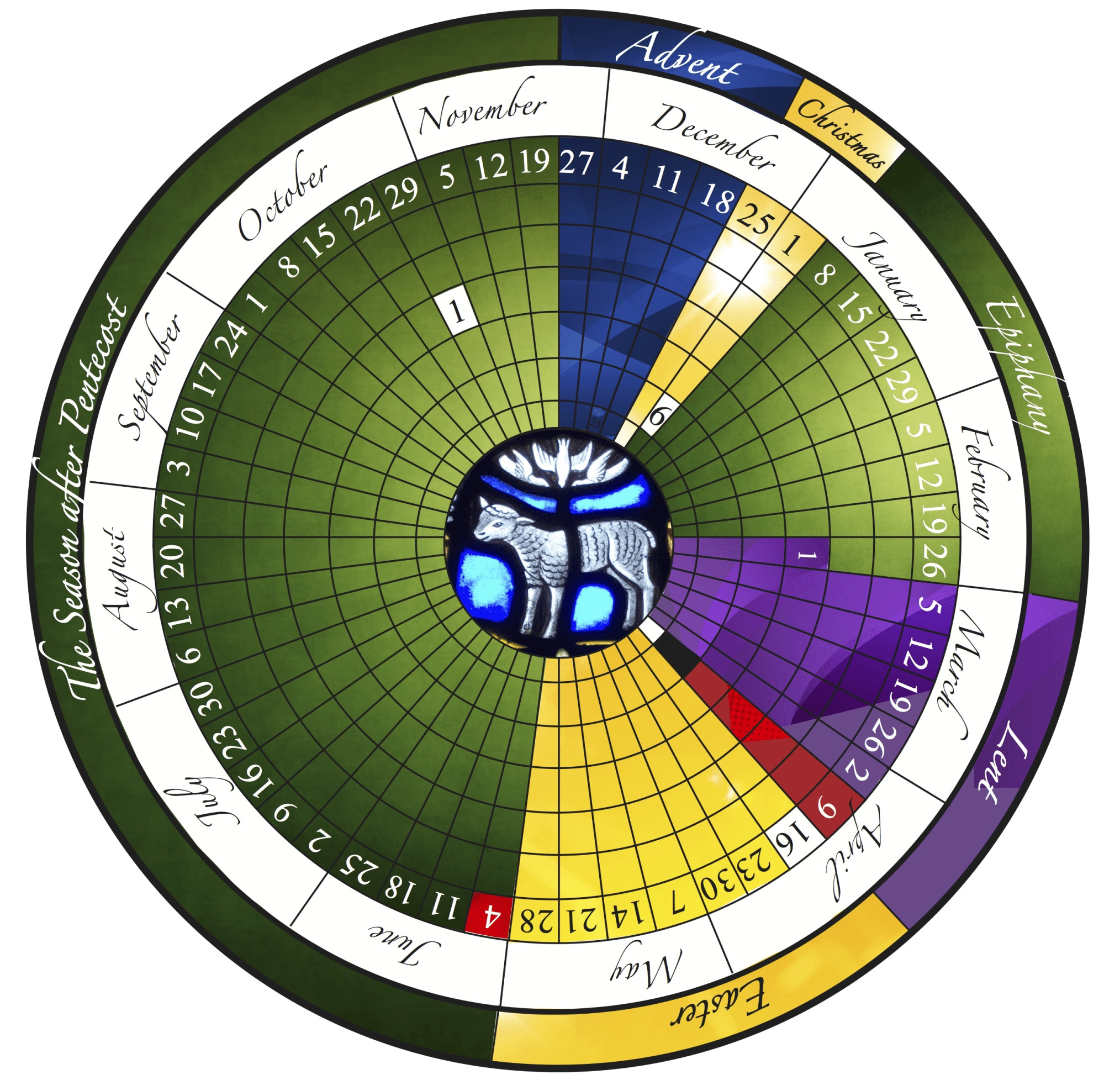
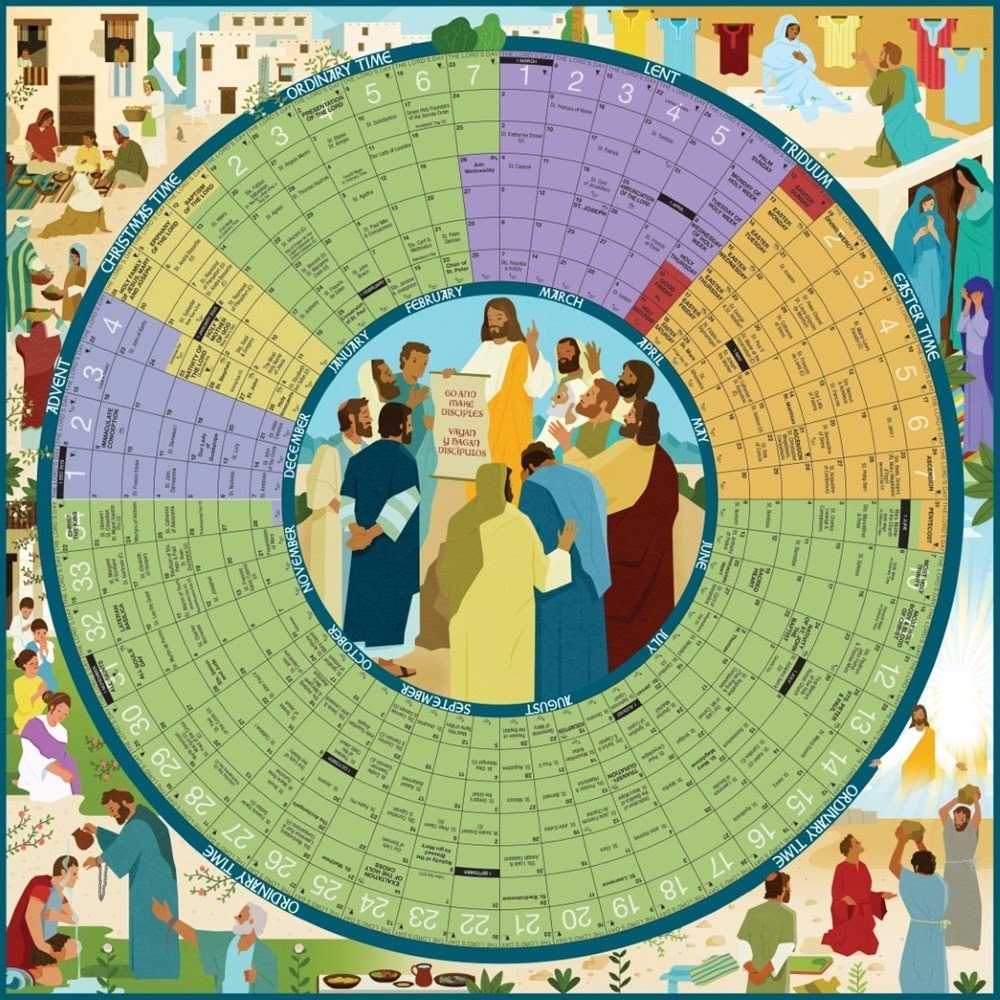
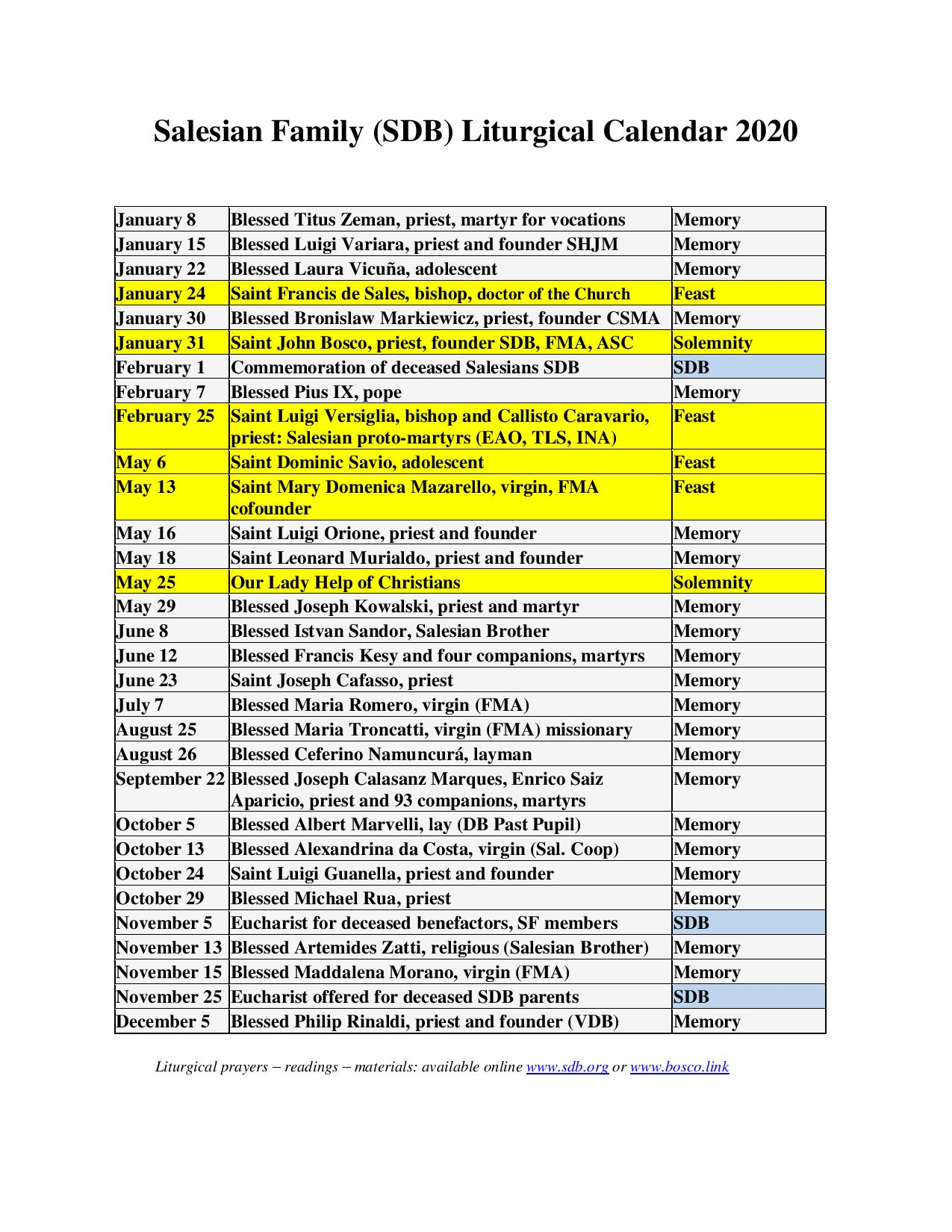
Catholic holidays provide a wealthy tapestry of traditions and celebrations, offering alternatives for non secular development, communal gathering, and deepening our relationship with God. By understanding the importance of those holidays and fascinating of their conventional observances, we are able to enrich our religion lives and foster a deeper appreciation for the enduring legacy of the Catholic Church.

Closure
Thus, we hope this text has offered priceless insights into A Complete Information to Catholic Holidays in 2025. We thanks for taking the time to learn this text. See you in our subsequent article!